888.867.1945
M-F 9AM-7PM EST
A sauna is an enclosed heated space designed to promote sweating, relaxation, and improved circulation through dry or infrared heat.
Regular sauna use may support heart health, improve circulation, reduce stress, relieve muscle tension, and promote overall relaxation.
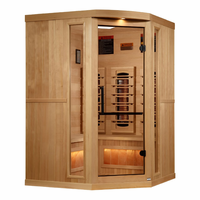
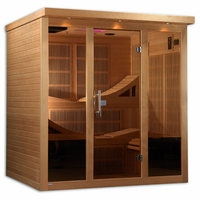
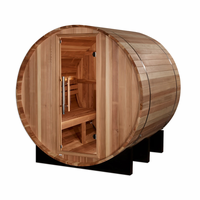
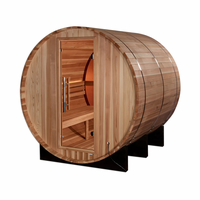
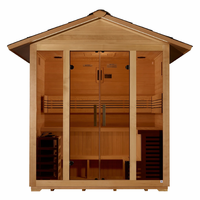
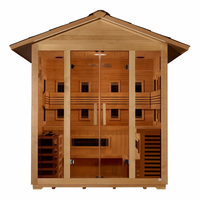
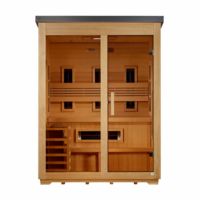
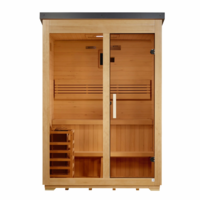
Common options include traditional dry saunas, infrared saunas, steam saunas, and outdoor barrel saunas, each offering unique heating methods and experiences.
Traditional saunas typically range from 160°F to 212°F, while infrared saunas operate at lower temperatures between 120°F and 150°F.
Saunas are safe for most healthy individuals when used properly. People with heart conditions, high blood pressure, or certain medical concerns should consult a doctor first.
Most users stay in a sauna for 10–20 minutes, depending on comfort level and experience.
Yes, sauna heat can help relax muscles, increase blood flow, and reduce post‑workout soreness.
Regular sauna use may support heart health by improving circulation and helping regulate blood pressure.
Yes, sauna sessions promote relaxation, reduce stress, and may improve mood through heat‑induced endorphin release.
Some saunas plug into a standard outlet, while larger or multi‑person units may require a dedicated electrical circuit installed by a licensed electrician.
Yes, many saunas are designed for indoor installation in bedrooms, basements, garages, or wellness spaces.
Outdoor saunas are built with weather‑resistant materials and can be placed on patios, decks, or backyard spaces.
Yes, proper ventilation helps maintain air quality, regulate humidity, and ensure safe operation.
Saunas require minimal maintenance, typically involving wiping surfaces, checking heaters, and ensuring proper ventilation.
Infrared saunas use infrared light to heat the body directly at lower temperatures, while traditional saunas heat the air inside the room.
Individuals with cardiovascular issues, uncontrolled high blood pressure, or certain medical conditions should consult a healthcare provider before using a sauna.